Nequi Guatemala
Nequi Guatemala
Nequi Guatemala
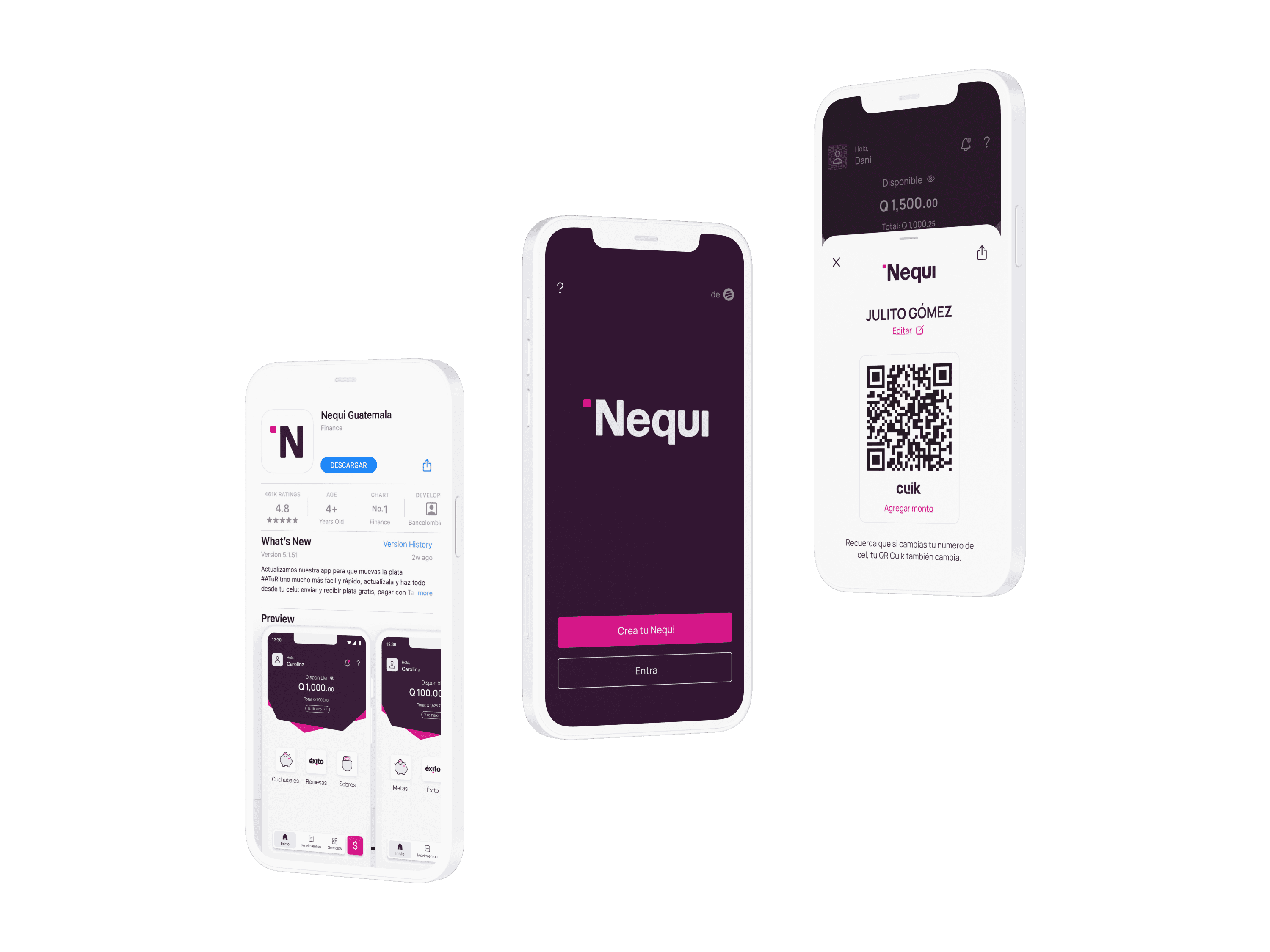
As financial services become more digital and globally interconnected, users expect seamless and accessible banking solutions that cater to their evolving needs. Expanding Nequi to new countries presents a significant opportunity for growth, market diversification, and increases customer acquisition.
International expansion would allow Nequi to tap into new revenue streams, reaching underserved markets where digital financial solutions can drive financial inclusion. By adapting to local regulations, economic landscapes, and user behaviors, the app can offer tailored experiences that align with cultural and financial expectations.
As financial services become more digital and globally interconnected, users expect seamless and accessible banking solutions that cater to their evolving needs. Expanding Nequi to new countries presents a significant opportunity for growth, market diversification, and increases customer acquisition.
International expansion would allow Nequi to tap into new revenue streams, reaching underserved markets where digital financial solutions can drive financial inclusion. By adapting to local regulations, economic landscapes, and user behaviors, the app can offer tailored experiences that align with cultural and financial expectations.
Location
Location
Guatemala
Guatemala
Industry
Industry
Banking
Banking
Population
Population
17+ million
17+ million
Challenge
Challenge
My main goal was to gain a deep understanding of Nequi's business strategy for international expansion and analyzing successful business models across Guatemala. This process involved researching market trends, identifying user behaviors in different regions, and evaluating best practices to adapt Nequi’s value proposition for new markets. By leveraging competitive analysis and industry insights, the objective was to create a scalable and user-centric approach to internationalization.
My main goal was to gain a deep understanding of Nequi's business strategy for international expansion and analyzing successful business models across Guatemala. This process involved researching market trends, identifying user behaviors in different regions, and evaluating best practices to adapt Nequi’s value proposition for new markets. By leveraging competitive analysis and industry insights, the objective was to create a scalable and user-centric approach to internationalization.
Process
Process
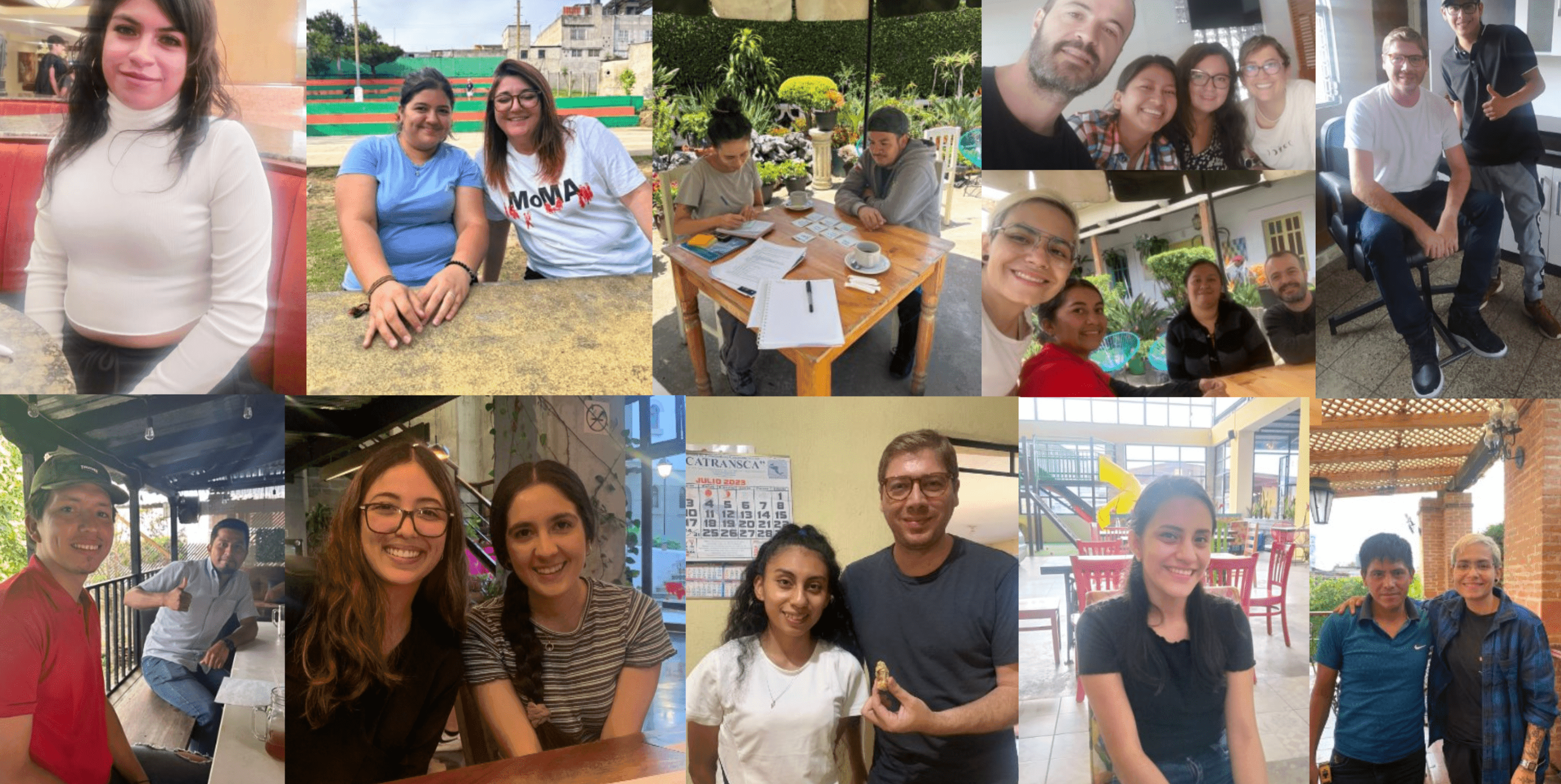
Research & Analysis: we conducted over 200 in-depth user interviews across Guatemala to deeply understand user needs, behaviors, and pain points. Additionally, we analyzed the market by engaging with industry experts and stakeholders across various sectors, gaining insights into trends, opportunities, and potential barriers. This comprehensive approach ensured we had a well-rounded perspective to inform strategic decisions.
Research & Analysis: we conducted over 200 in-depth user interviews across Guatemala to deeply understand user needs, behaviors, and pain points. Additionally, we analyzed the market by engaging with industry experts and stakeholders across various sectors, gaining insights into trends, opportunities, and potential barriers. This comprehensive approach ensured we had a well-rounded perspective to inform strategic decisions.
Interviews registry
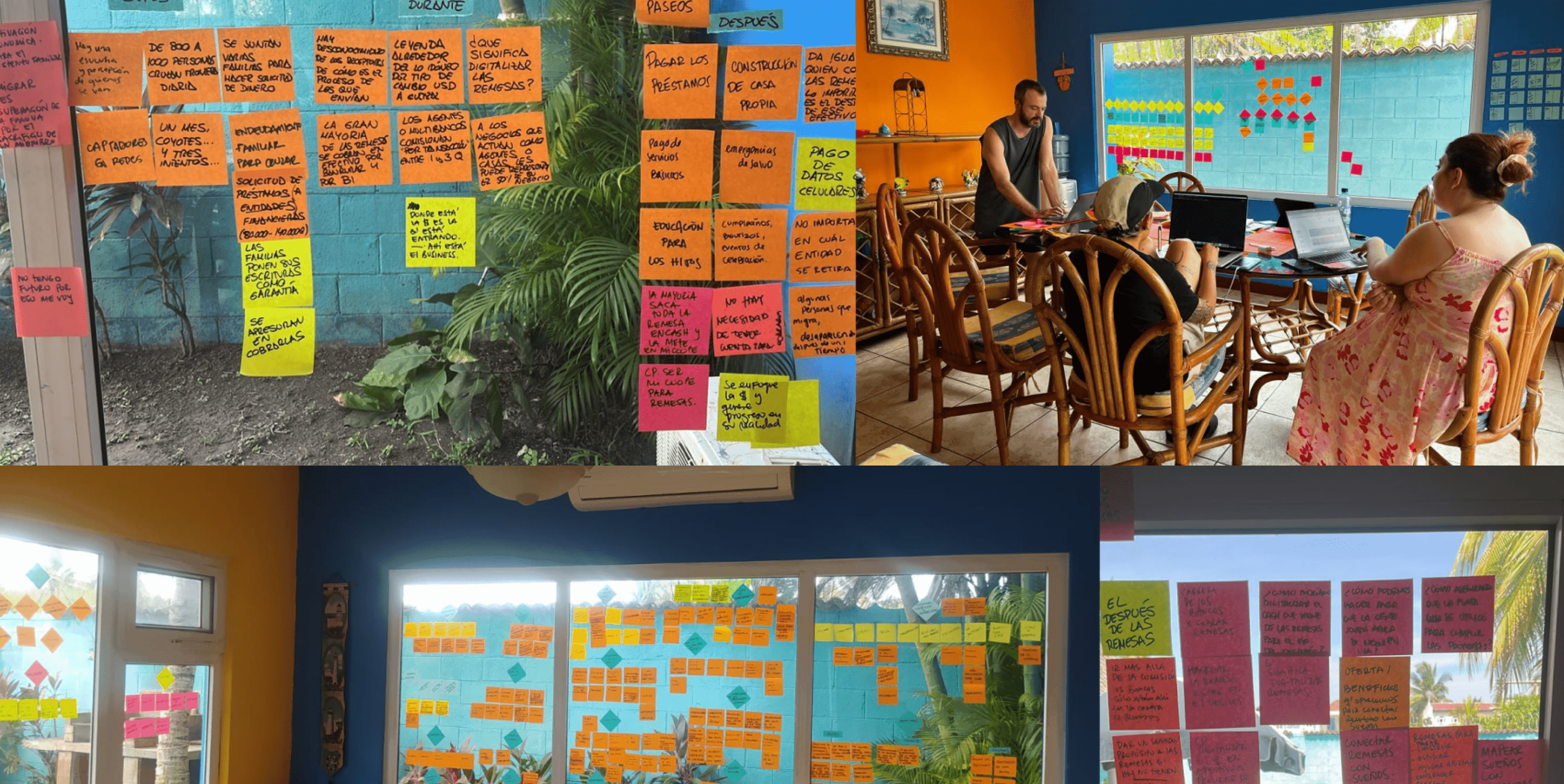
Business Definition: leveraging insights from research and adhering to core design principles, I crafted an experience with personalized attributes tailored to the defined target audiences. This design not only aligned with user expectations but also strategically supported the partnership strategy and the broader ecosystems in which the application operates, ensuring long-term business alignment and sustainability.
Business Definition: leveraging insights from research and adhering to core design principles, I crafted an experience with personalized attributes tailored to the defined target audiences. This design not only aligned with user expectations but also strategically supported the partnership strategy and the broader ecosystems in which the application operates, ensuring long-term business alignment and sustainability.
Analys process
Analysis process
Wireframing & Prototyping: following the optimal customer journey, we developed low-fidelity wireframes to visualize and map out the new layout, navigation, and feature interactions. These wireframes were iteratively refined through internal reviews and initial user feedback. Once validated, we created a high-fidelity, interactive prototype that closely resembled the final product, enabling more realistic user testing and feedback collection.
Wireframing & Prototyping: following the optimal customer journey, we developed low-fidelity wireframes to visualize and map out the new layout, navigation, and feature interactions. These wireframes were iteratively refined through internal reviews and initial user feedback. Once validated, we created a high-fidelity, interactive prototype that closely resembled the final product, enabling more realistic user testing and feedback collection.
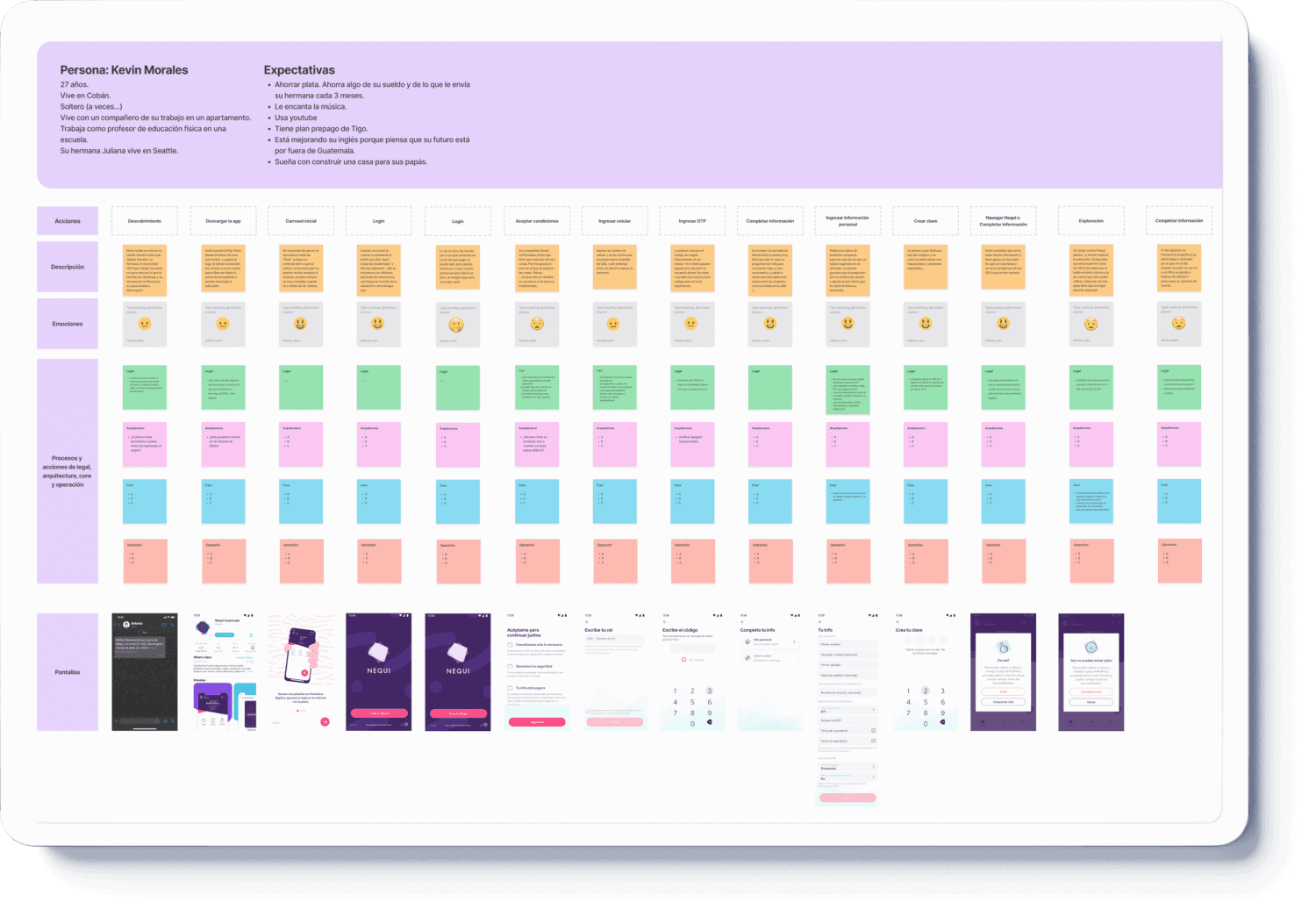
Journey As Is and first Low-Fi Wireframes exploration
Testing: we conducted multiple rounds of usability tests with a diverse group of users to ensure the design met their needs and expectations. These sessions focused on identifying pain points, assessing ease of navigation, and understanding feature relevance. Based on the insights gathered, we made targeted design adjustments to enhance functionality, accessibility, and overall user experience, ensuring the product was intuitive and effective before final development.
Testing: we conducted multiple rounds of usability tests with a diverse group of users to ensure the design met their needs and expectations. These sessions focused on identifying pain points, assessing ease of navigation, and understanding feature relevance. Based on the insights gathered, we made targeted design adjustments to enhance functionality, accessibility, and overall user experience, ensuring the product was intuitive and effective before final development.
Results
Results
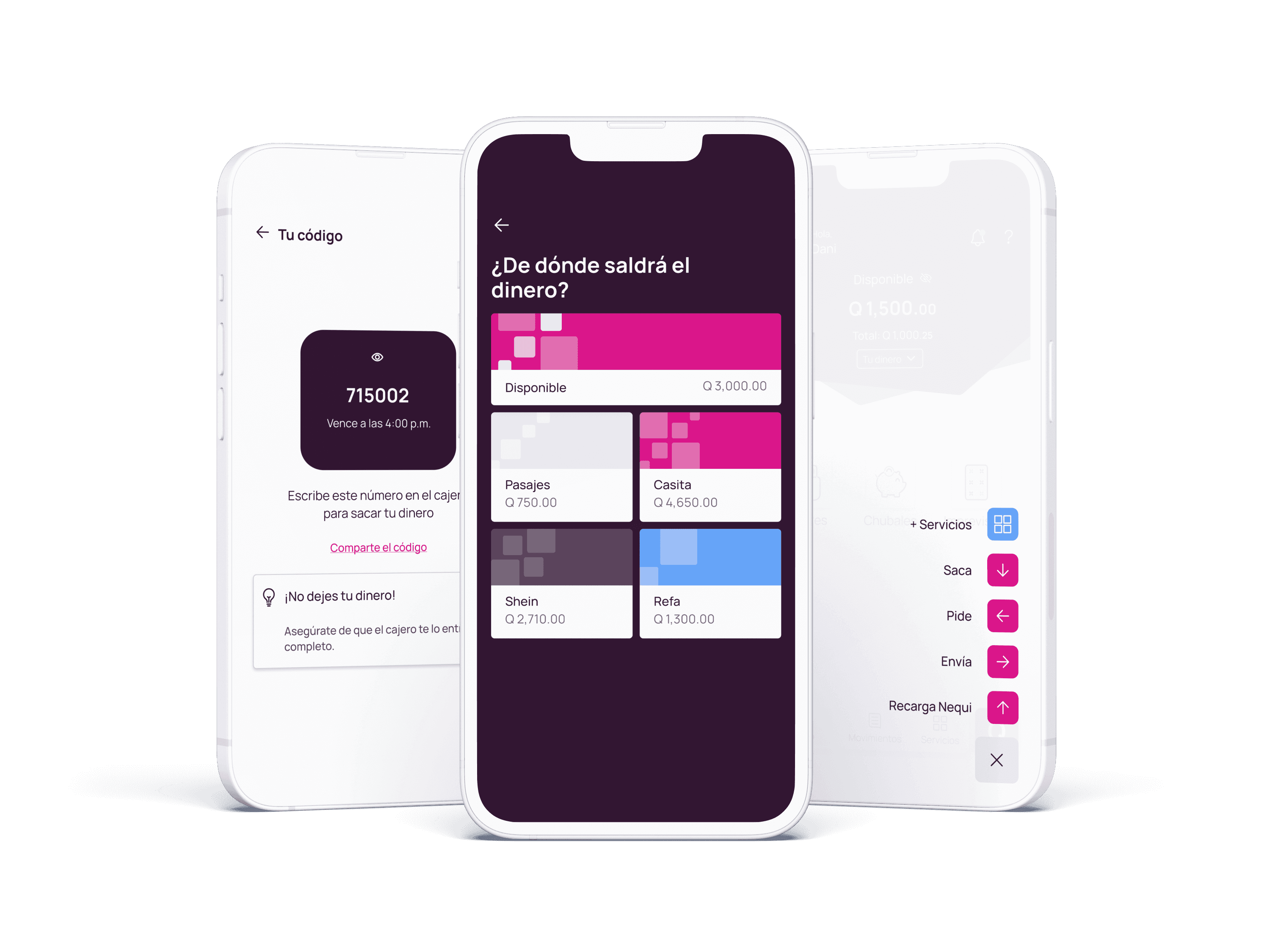
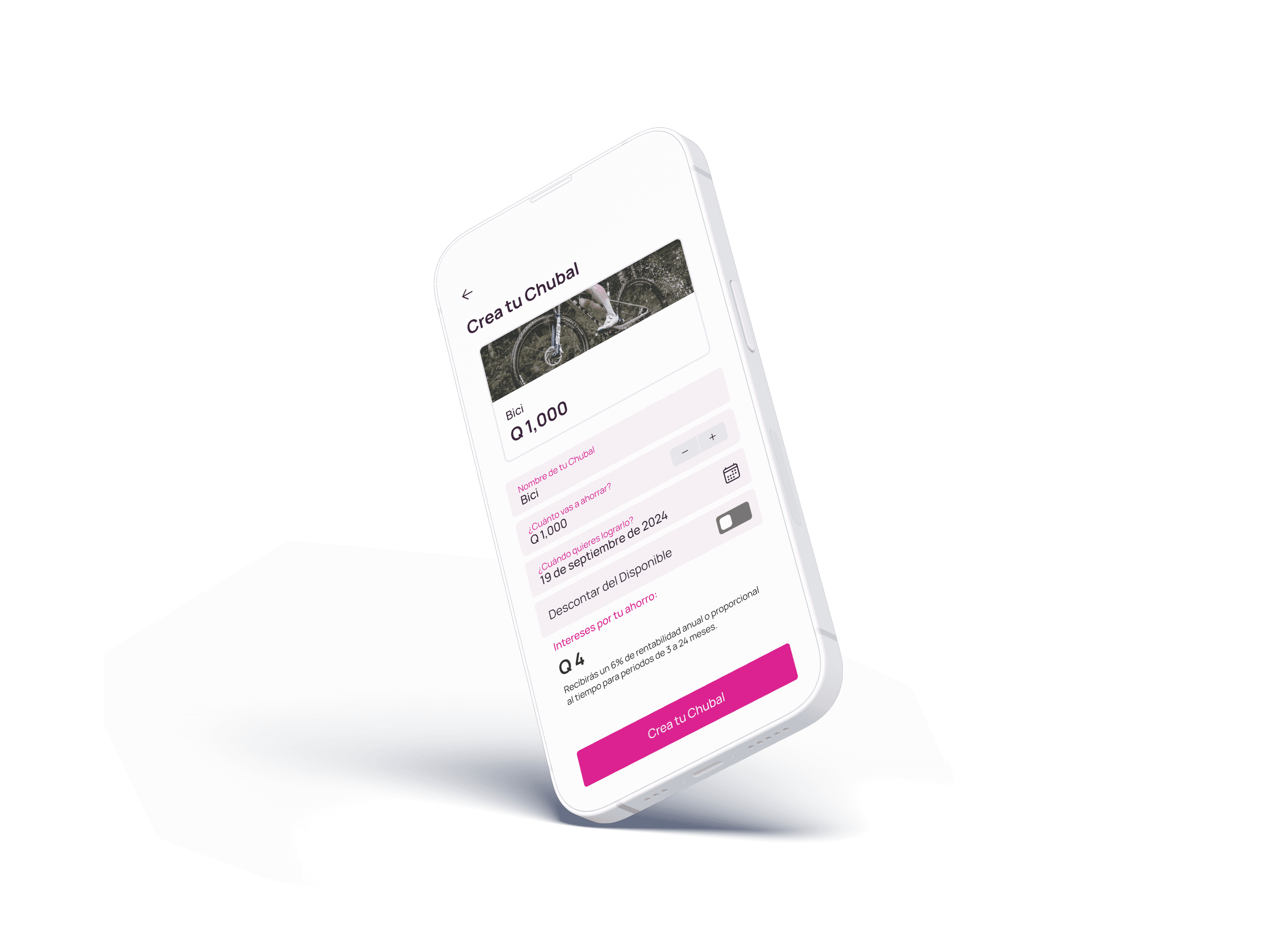
We ensured the final design was deeply aligned with real user needs and market expectations. The personalized experience and refined user journeys resulted in higher user retention and smoother onboarding.
The integration of strategic partnerships and ecosystem considerations strengthened the app’s long-term value proposition, while iterative prototyping and rigorous usability testing ensured a seamless and accessible experience. Post-launch, initial metrics showed an increase in user adoption rates, improved navigation efficiency, and positive feedback regarding the app’s clarity and functionality. The project successfully positioned the platform for sustainable growth and market expansion.
Valentina Lopera Marulanda © 2025
Valentina Lopera Marulanda © 2025